
These days, the 3D LED Ball isn’t just another gadget—think of it as a glowing storyteller, a quiet connector that weaves through innovation and everyday moments, sparking curiosity across continents. It doesn’t shout about being cutting-edge; instead, it slips into our lives, making the ordinary feel a little more vivid, the complex a little more tangible.
Take the 2025 Osaka Expo, where the 3D LED Ball became the heart of two unforgettable experiences. Over at the Japan Pavilion, under the theme “The Renaissance of the Ocean,” a 20-meter-wide spherical screen wrapped visitors in a living, breathing ocean. You didn’t just watch—you stepped into it: coral fading before your eyes, plastic waste swirling like a dark storm, then glimpses of hope as conservation efforts turned the tide. It was more than a display; it was a call to care, made urgent by the way the 360-degree imagery pulled you in.
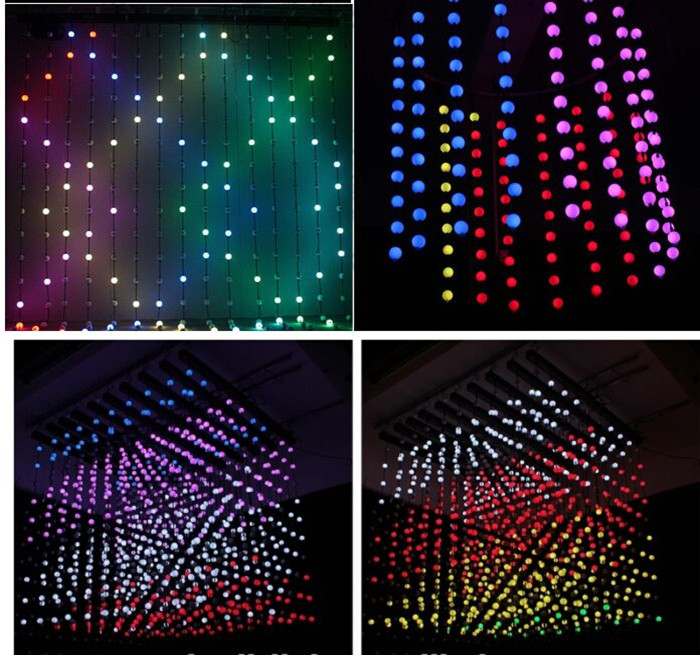
Across the expo grounds, the China Pavilion wove tradition into technology with its “Twenty-Four Solar Terms” installation. Thanks to flexible LED spheres from Unilumin Technology, ancient seasonal wisdom came alive. Swipe a hand, and the screen shifted—snowflakes for Major Cold, blooming peonies for Grain Rain—turning age-old knowledge into something you could reach out and touch. Little wonder it became a favorite stop for families and photographers alike, a perfect mix of past and future.
Tech lovers got their own thrill at CES 2025, where France’s Aledia dropped big news: a $200 million factory to build Micro-LEDs using 3D gallium nitride nanowires. “Think of it as LEDs reimagined,” says CEO Pierre Laboisse, grinning as he explains how the tiny nanowires make screens thinner, brighter, and easier on the planet. “These aren’t just for phones or TVs. Imagine AR glasses that wrap you in a hologram, or car displays that feel like part of the dashboard, not stuck on it.” It’s the kind of breakthrough that makes you lean forward, wondering what’s next.
Speaking of the planet, the 3D LED Ball is growing greener, too. Colorlight’s “Green Sphere” line, for example, uses recycled aluminum and solar power to cut carbon emissions by 65% over its lifetime. When Saudi Arabia’s futuristic NEOM city picked it for their upcoming art installation, it sent a message: big tech doesn’t have to mean big waste. “We wanted something that shines bright but leaves a light footprint,” says a NEOM designer. Mission accomplished.
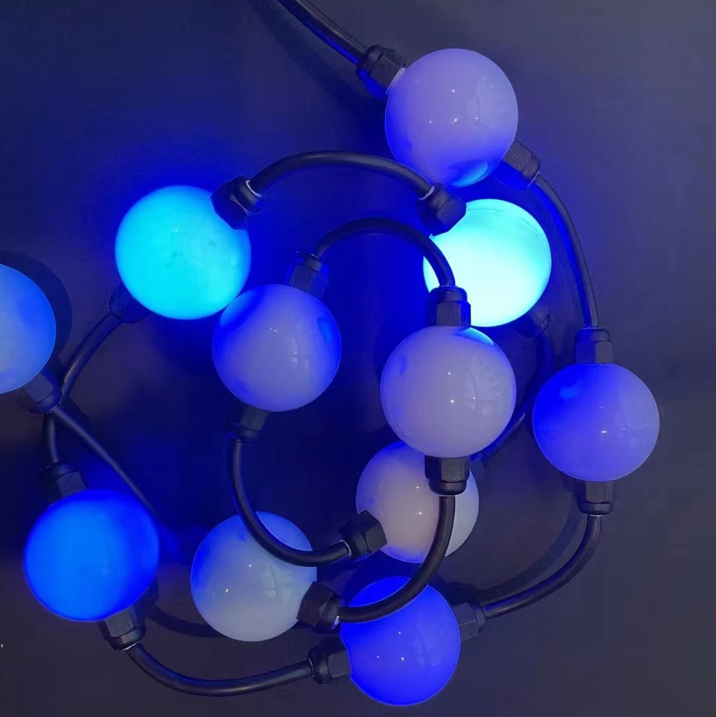
But maybe the most surprising magic of the 3D LED Ball is how it connects us to art—and to each other. At London’s Southbank Centre, a Chinese team built “Quantum Cloud,” a sphere that turns brainwaves into light. Stand in front of it, and your thoughts—calm, excited, curious—ripple across the surface in waves of color. A teenager’s laughter becomes a burst of gold; an elder’s quiet reflection, a soft blue glow. It’s a reminder that technology, at its best, can show us what’s invisible: the energy we all carry inside.
As the 3D LED Ball keeps evolving, it’s clear it’s not just about bigger screens or fancier specs. It’s about making technology feel human—something that teaches, inspires, and brings us closer. So keep an eye on that glowing sphere. Wherever it goes next, it’s sure to light up more than just a room.